
Oversight
One operating picture
Fleets, corridors and incidents on a single map, with the same data behind every desk.
darb is in development across five markets in the region. See the footprint

darb gives operators and regulators one live view of the vehicles moving through the country: where they are, how they are driven, and whether they meet the rules.
Oversight is the visible part. It only holds because of what happens at the border post, along the corridor and inside the cab.
Oversight
Fleets, corridors and incidents on a single map, with the same data behind every desk.
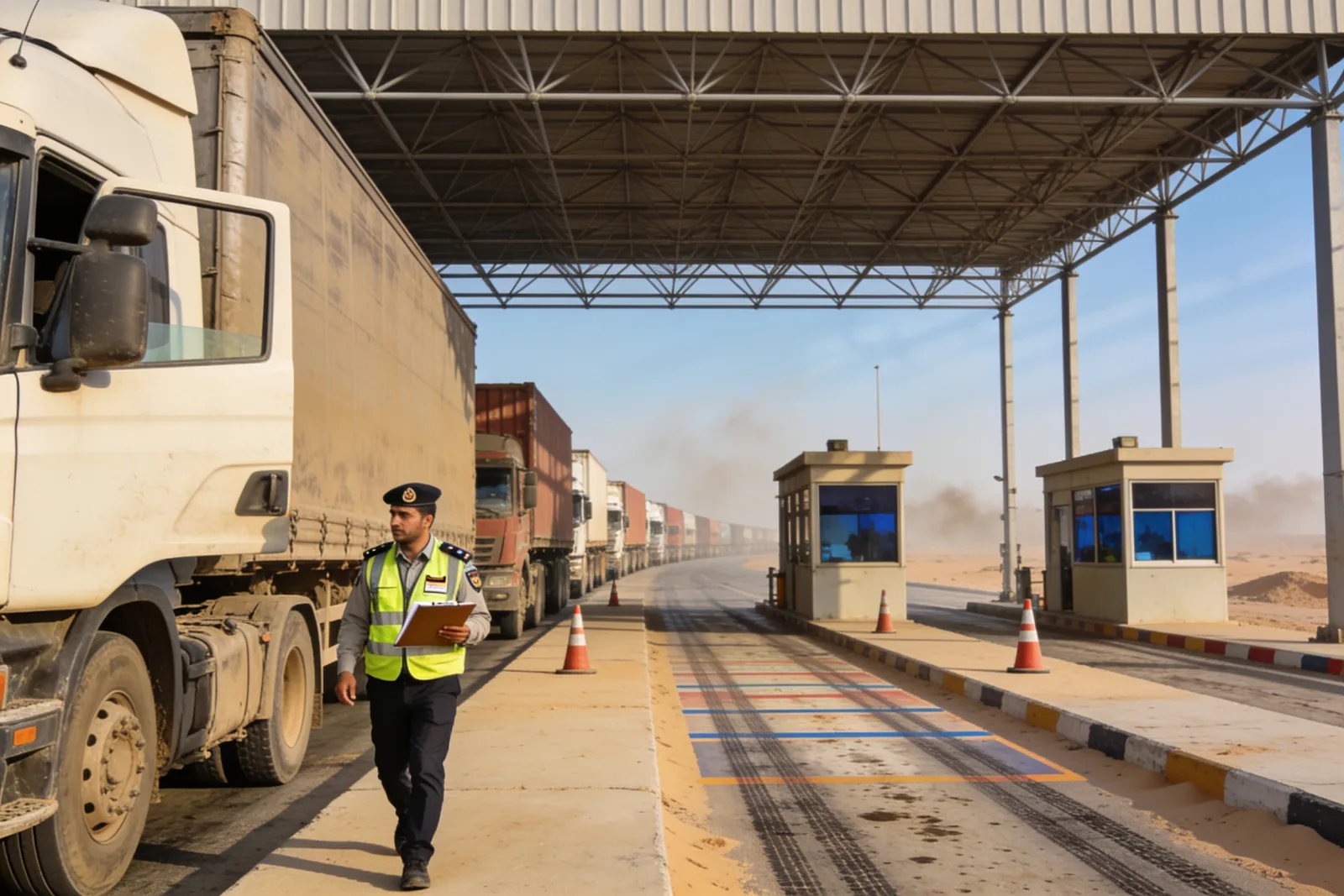
Corridors
Trips followed from depot to port to border post, so a delay has a location and a cause.

Road safety
Speed, harsh braking, cornering and fatigue windows scored on every trip, not sampled.
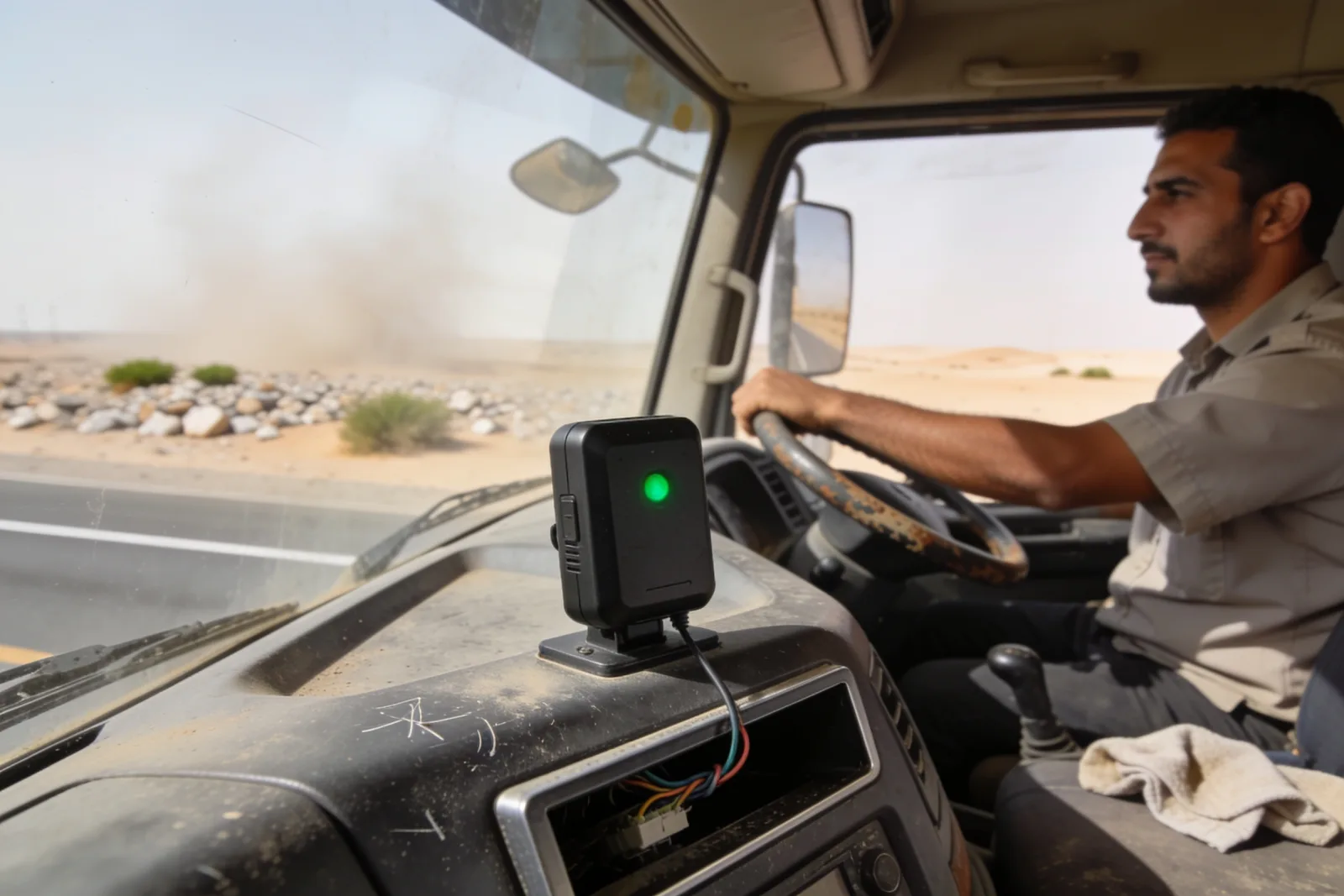
In the vehicle
Certified hardware, tamper-evident installation, and a record that survives a lost signal.
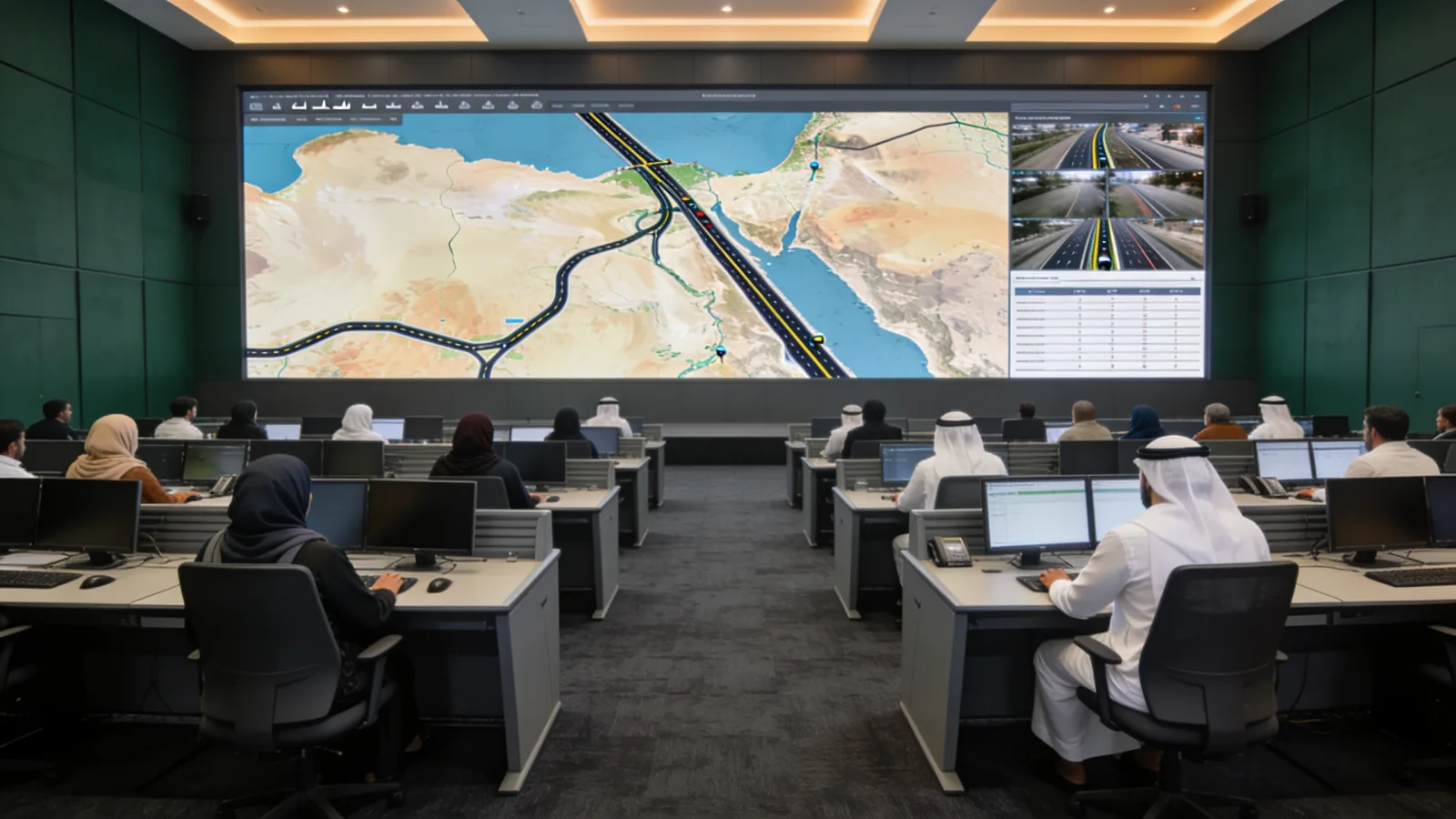
Regulators and national operators need more than dots on a map. They need to ask a question about a corridor, a category of vehicle or a single day, and get an answer they can put in a file.
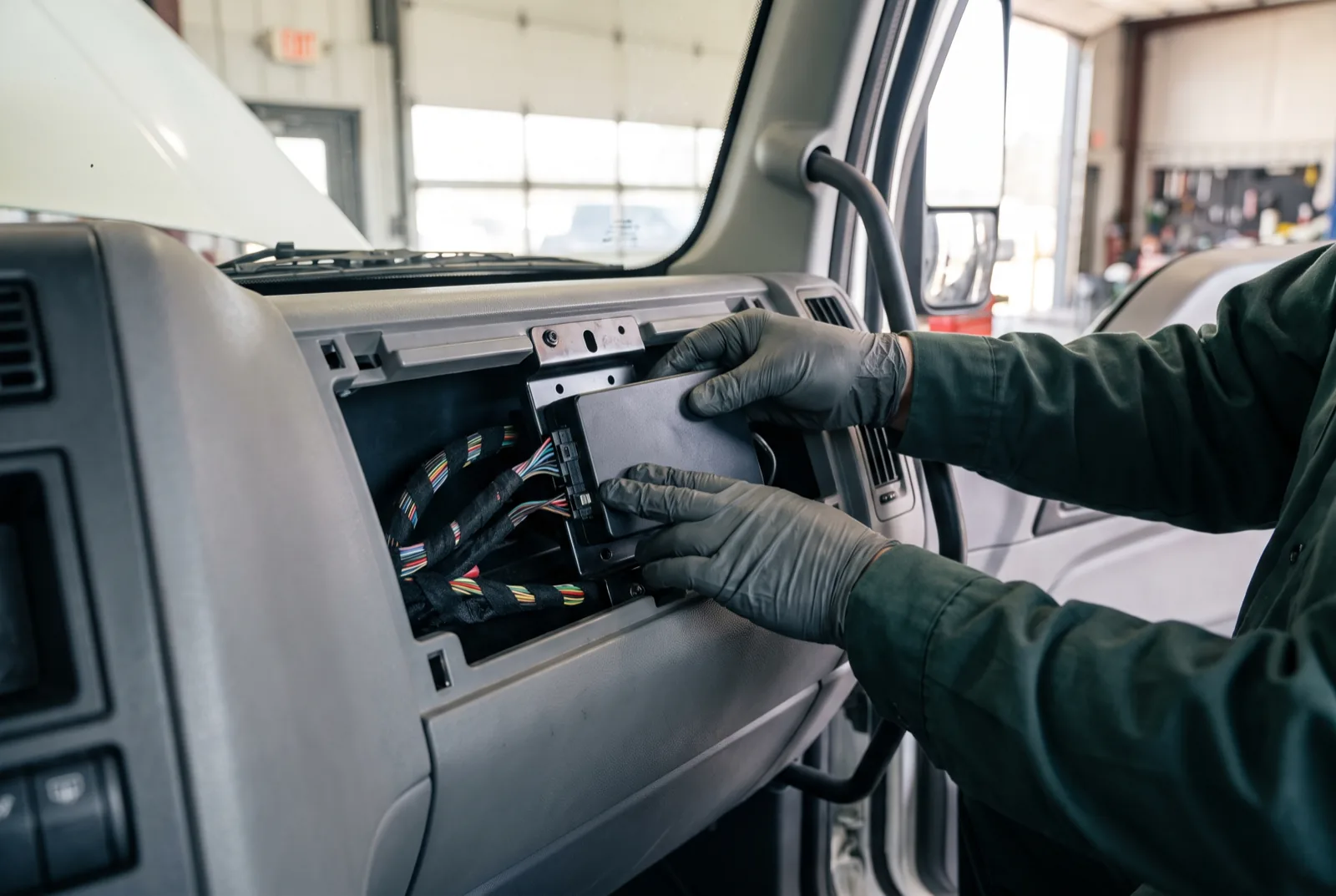
A platform is only as trustworthy as the device under the dashboard. Installation is documented, the unit is sealed, and the driver is identified before the trip counts as theirs.
The same platform, configured three ways. What changes is the question being asked of the data.

Run the fleet on evidence instead of phone calls. Utilisation, cost per trip and driver risk in the same place.
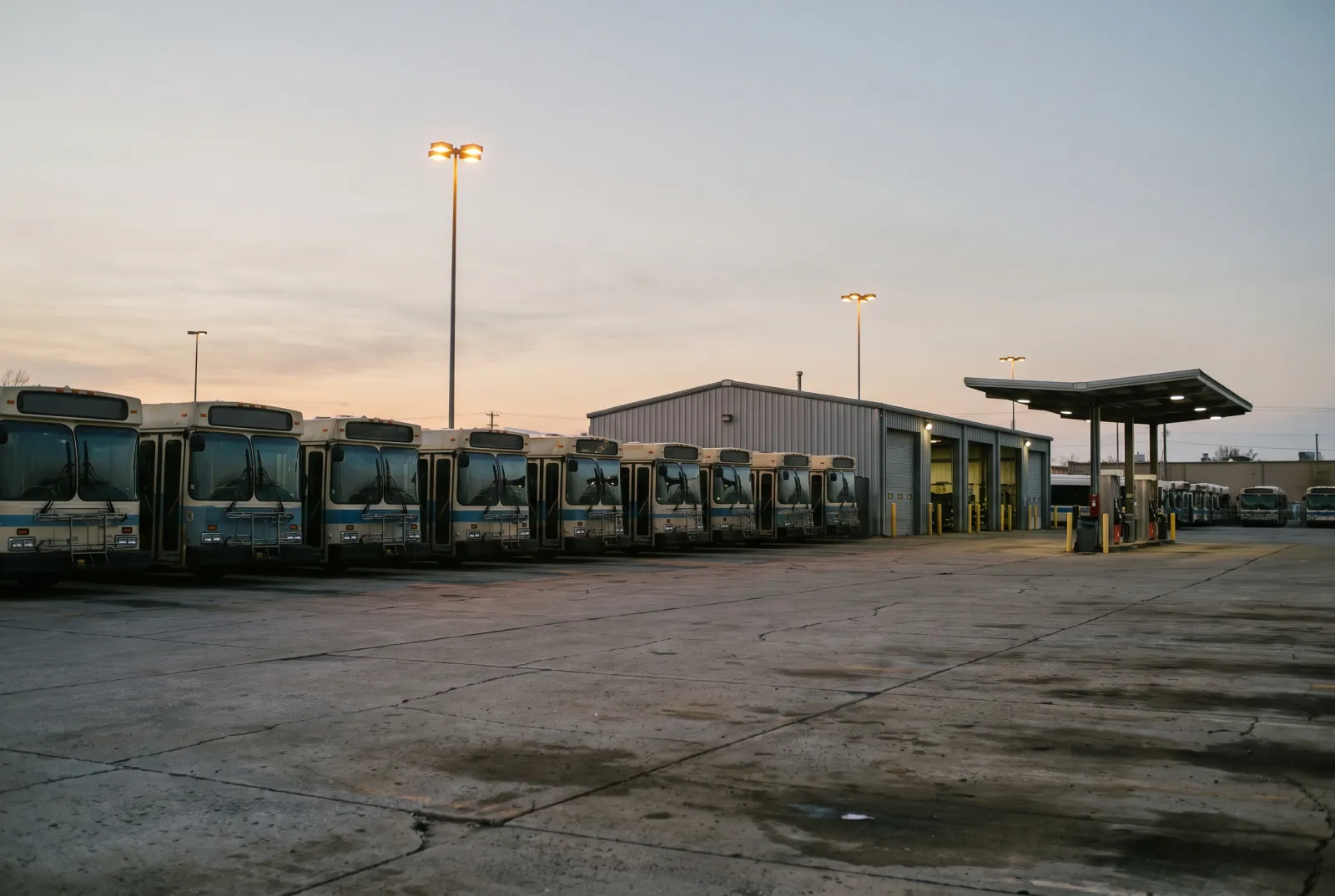
Municipal, utility and public transport vehicles held to a published standard, with the record to show it.
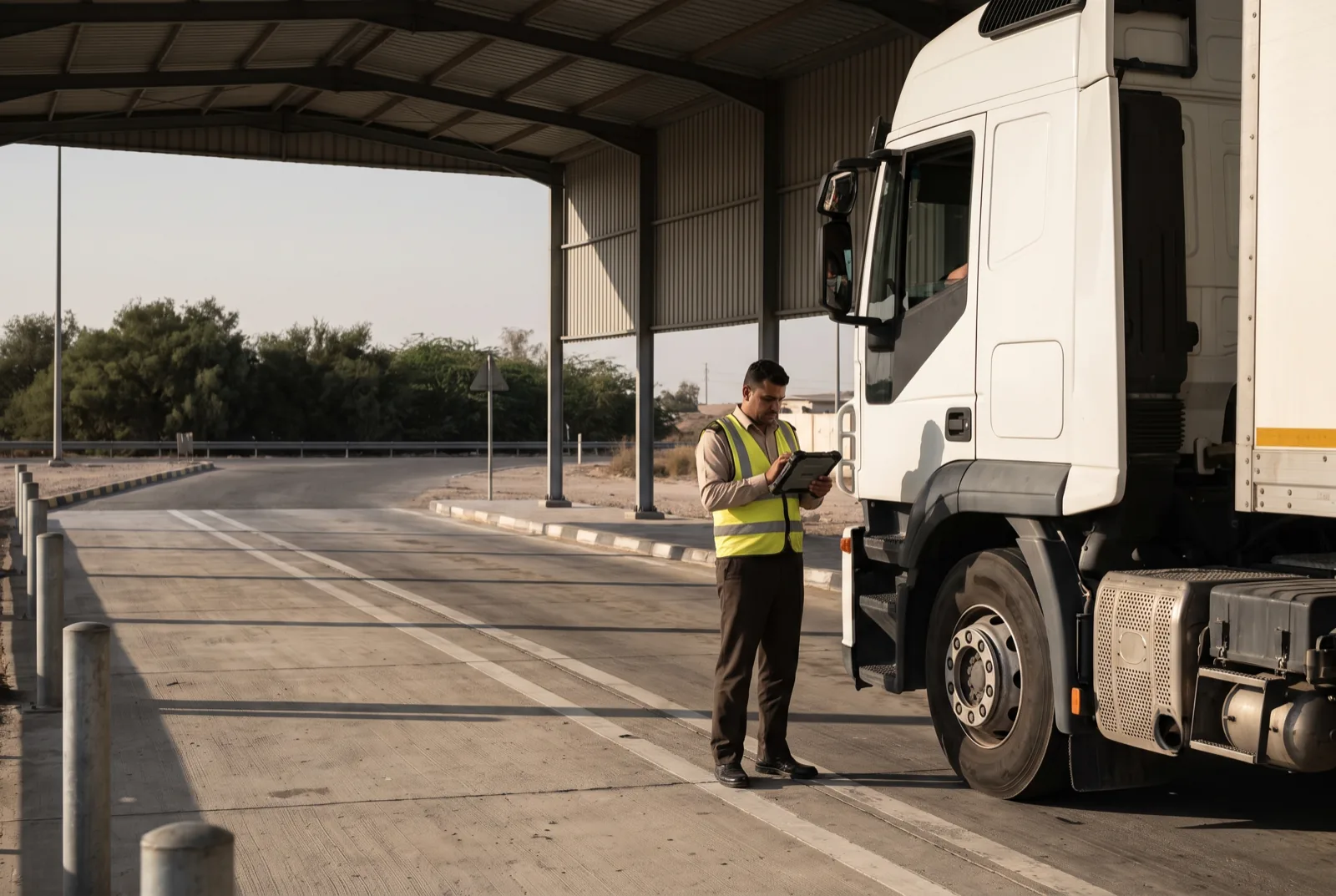
Supervise a category of vehicle across every operator in the market, without asking each one for a spreadsheet.
The parts that decide whether a platform survives its second year: how it scales, what it connects to, who can see what, and who answers the phone.
Built for national volumes from the first day, so growth is a configuration change rather than a rebuild.
Documented APIs, scheduled exports and support for devices you have already installed.
Role-based access, full audit logging, and data residency decided by the market it serves.
Installation planning, operator training and a named team through the first year of running.
Mixed fleets are the normal case, not the exception. darb reads from multiple device vendors so a rollout does not start with ripping out hardware.
See integrations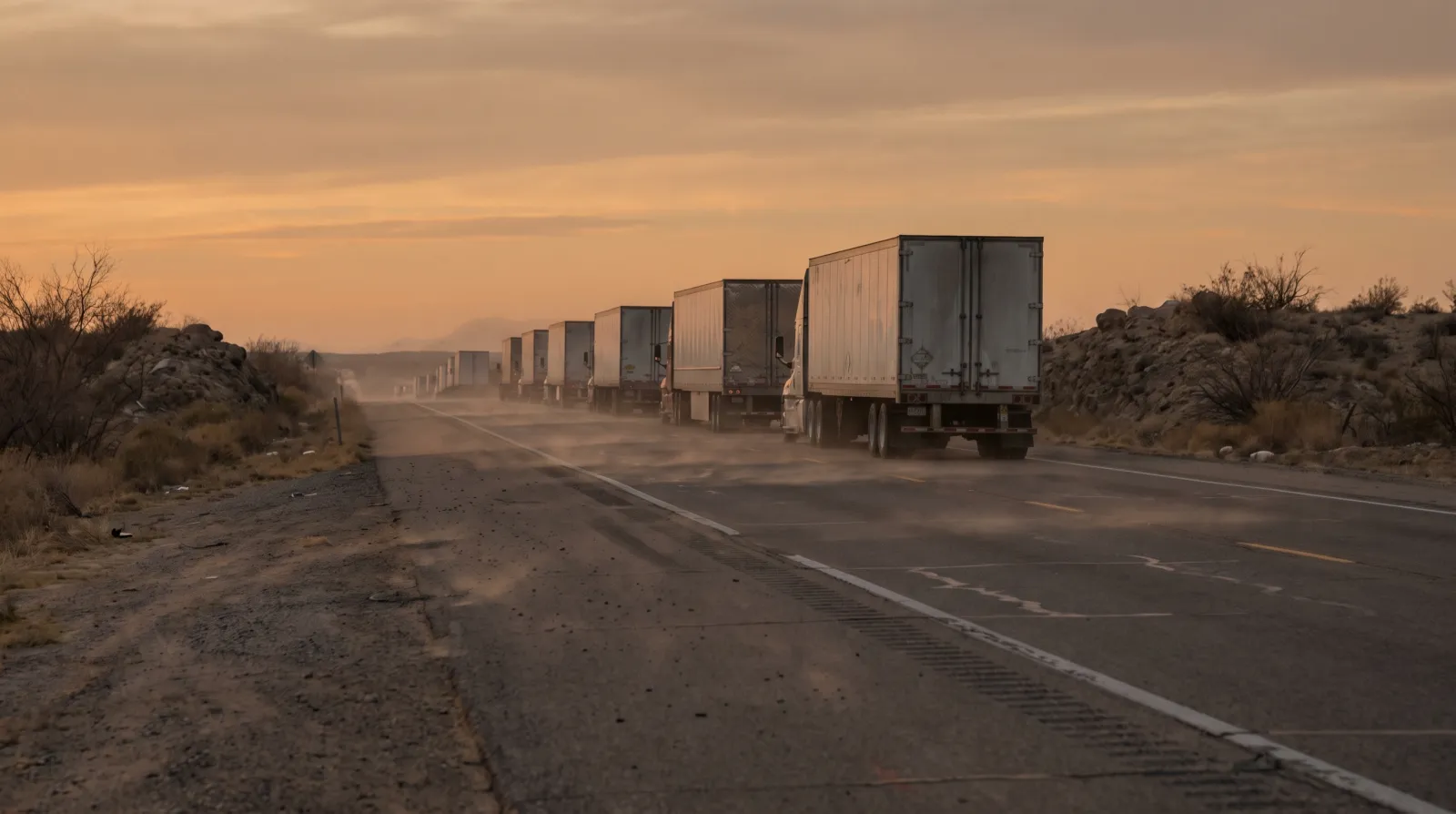
A first deployment does not need the whole network. Prove the record on one site, one corridor or one vehicle category, then widen it.
Plan a deployment
Five markets across the region, each with its own site, its own language and its own regulatory shape.
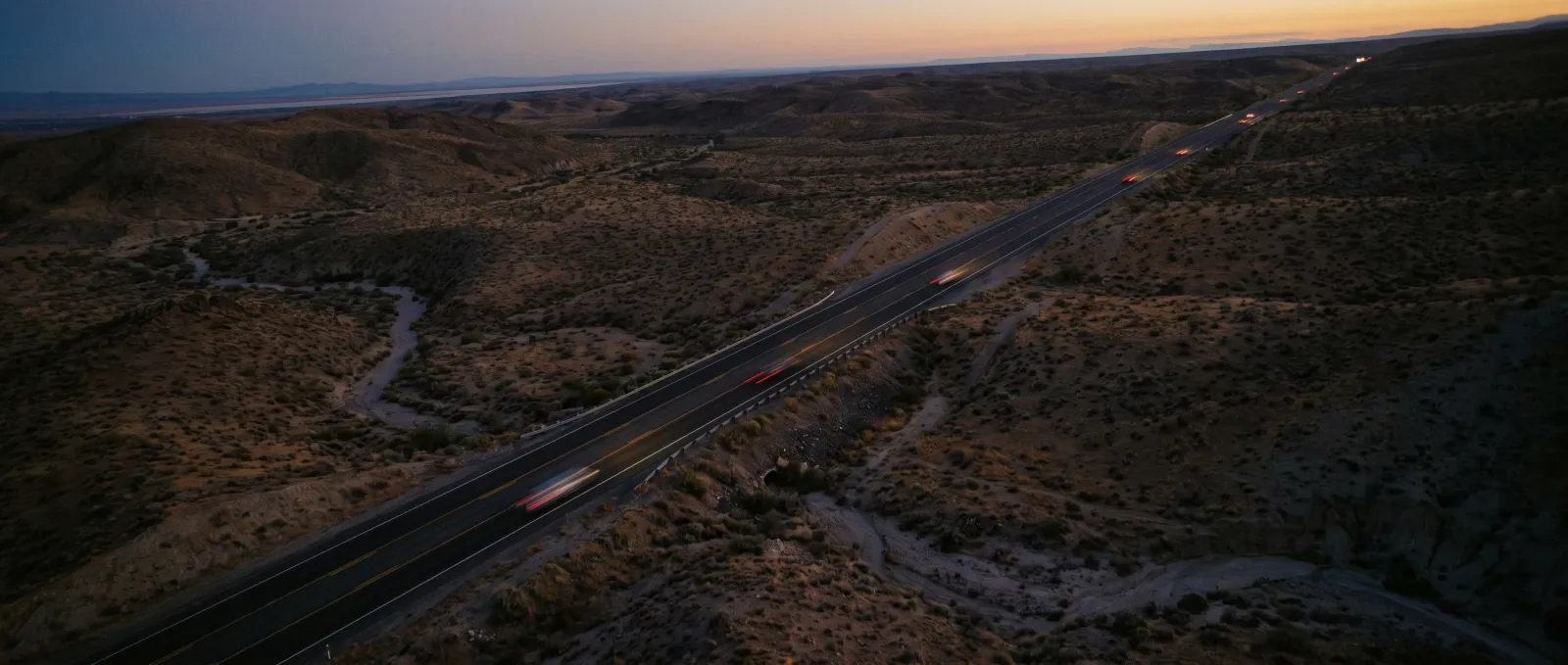
We work with operators, ministries and regulators to put one record behind every commercial vehicle on the road.
Send us the shape of the problem and we will come back with what darb would cover, what it would not, and what a first deployment looks like.
We use these details to reply to your enquiry and for nothing else.